Laura Dupin awarded IAS Fellowship
26 August 2026
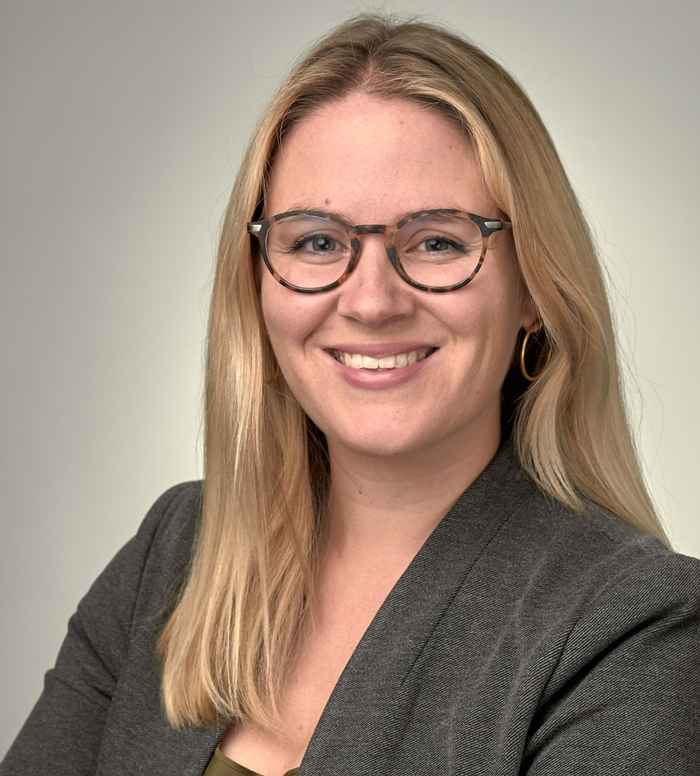
This project will build upon Dupin's Veni research grant from the Dutch Research Council (NWO) and she will work alongside Prof. Christopher Marquis, who is also doing a fellowship at IAS.
Dupin studies local entrepreneurs and businesses, such as cafés, bakeries and restaurants. Though often overlooked, these businesses form an important part of local communities and economies. Her research explores entrepreneurs’ strategic choices, including where they locate their businesses and how they select products and prices. It also examines how audiences evaluate these businesses. Dupin uses both quantitative and qualitative research methods.
During her IAS Fellowship, Dupin will investigate whether neighbourhood businesses help reduce spatial inequality in cities or instead reinforce it. Cities worldwide are experiencing growing disparities in social and economic conditions between neighbourhoods. Local businesses can support employment, social interaction and community cohesion. At the same time, businesses may be more likely to establish themselves and survive in areas where resources are already concentrated or even contribute to processes of gentrification.
Her project distinguishes between discretionary businesses, such as cafés and specialist shops, and necessity businesses, such as supermarkets and pharmacies. The former often depend on residents’ disposable income and local preferences. They may therefore be concentrated in wealthier areas. Necessity businesses serve everyday needs and may be distributed more widely once there is sufficient local demand.
Dupin’s project aims to develop and test a theoretical model explaining when neighbourhood businesses can help address urban inequality, and when they potentially reproduce existing spatial divides.