Ans Kolk: lessons from Montreal for today’s PFAS issues
24 June 2026
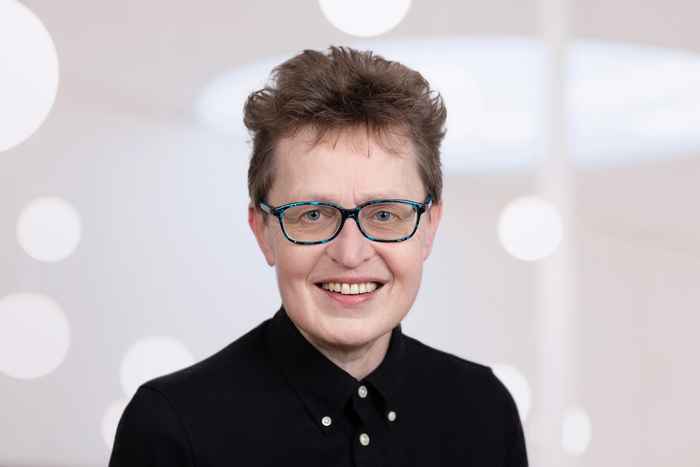
Due to her expertise in this field, she was recently interviewed about the lessons that can be learned from that historic case today, particularly for science and diplomacy.
In the Geneva Science and Diplomacy Anticipator (GESDA) article on the ozone layer and its legacy, Kolk noted that the heterogeneity of industrial stakeholders must be considered carefully in environmental diplomacy. ‘Negotiators must distinguish between companies heavily invested in old technology, those that have the potential to switch, and smaller players that could benefit from new markets but who are often not invited to the negotiating table. New rules can – and will – hurt some existing companies. But not taking any decision will also harm other companies whose voice has not been heard – and can stall new innovative solutions.’
Kolk was asked about the relevance of the CFC/Montreal case for today’s international negotiations. As the comparison with the climate change issue has already been studied, Kolk made the comparison with the current challenges presented by PFAS, the so-called ‘forever chemicals’, a topic she is working on with colleagues as part of an interdisciplinary research grant. She also mentioned that the problem is very different, as so are the type and range of companies involved as well as the scientific evidence. This diversity, Kolk argues, is crucial to incorporate in negotiation processes.
Slow to respond
While CFCs were used in a limited number of applications, PFAS are embedded in a wide range of products, from cookware and textiles to medical uses. That makes a Montreal-style phase-out much harder. ‘We need a lot more scientific information about the issue,’ Kolk says, pointing to gaps in knowledge on where PFAS are produced, how they leak and accumulate, and which properties matter most for health and the environment. Each application will likely require a different approach and different alternatives.
This complexity is often used by companies to delay action. Kolk finds it worrying that the largest PFAS producers are not moving faster in developing good substitutes, despite the commercial opportunities that may be there for early movers, as the CFC case showed. She mentions it to be crucial how policymakers handle industry input. Experts with in-depth knowledge of the sector should be involved to understand technological realities and transition pathways. Negotiators must be able to assess the technical validity of corporate claims and separate these realities on the ground from lobbying and stalling tactics.
For Kolk, the Montreal Protocol does not offer a simple blueprint to copy. It offers a more demanding message: environmental diplomacy must be designed around knowledge about current and possible future corporate actors considering market structures and business models if it is to deliver another breakthrough. Moreover, alternatives should not be taken for granted but be assessed on whether they are really safer and better. It happened before that the substitute induced another type of environmental harm.